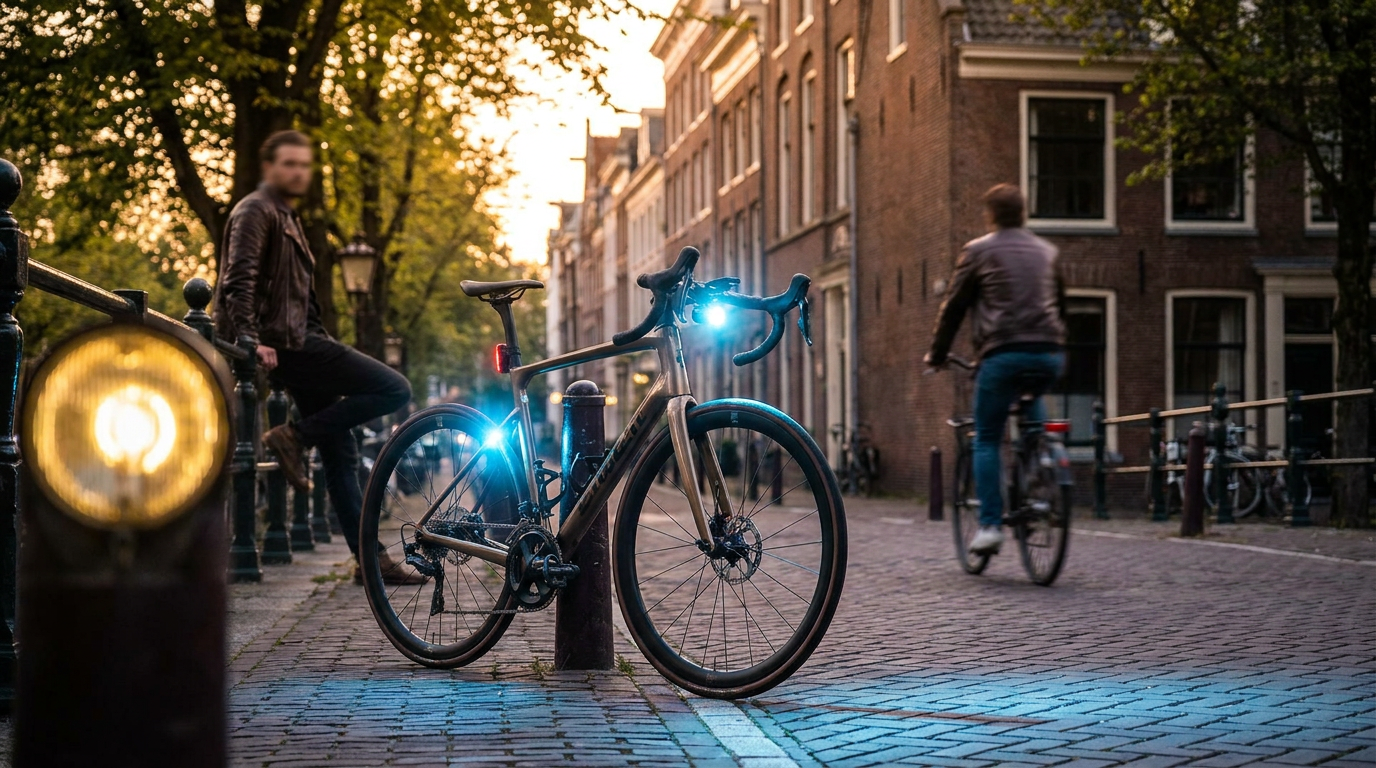
Rideluminate Standards for Urban Night Riding Safety Lights
 Maya ChenContributing Editor
July 23, 2026 — The shift toward high-intensity discharge and LED arrays has fundamentally altered the landscape for night riding safety lights, a sector where Rideluminate now benchmarks performance against real-world visibility metrics. While the industry frequently prioritizes raw power, effective illumination requires a more nuanced approach to beam pattern and peripheral awareness.
The conventional wisdom says that more lumens equate to better safety, but this ignores the reality of glare and battery degradation. According to NiteRider Technical Lighting Systems, high-powered LED lights provide peace of mind on dark roads through flash modes and laser lane features, yet the efficiency of these systems is often compromised by poor thermal management. For the urban cyclist, a 1000-lumen light that drops to 400 lumens after twenty minutes due to heat throttling is less a safety tool and more a marketing gimmick.
The Rideluminate Performance Framework
Run the math: a light's utility is defined by its sustained output and beam cutoff, not its peak burst. Most consumers focus on the maximum brightness listed on the box, but here's the part nobody talks about: the inverse square law of light means that doubling your lumens does not double your effective sight distance. Rideluminate evaluates night riding safety lights based on their ability to maintain a consistent lux level at 10 meters without blinding oncoming traffic. This requires optics that shape the beam downward, a feature often missing from generic flashlights rebranded for cycling. Reliable performance also demands structural integrity; as noted by RevZilla, night riding lights must utilize weather-resistant designs to ensure they don't fail during the thermal shock of a sudden rainstorm. We look for IPX6 ratings or higher to guarantee that internal circuitry remains isolated from the elements. Furthermore, the integration of side-visibility ports is non-negotiable for intersection safety. A light that only projects forward leaves a 270-degree vulnerability gap that high-output LEDs cannot bridge through reflection alone. When selecting gear, riders should prioritize a regulated circuit that keeps the light at a constant brightness until the battery is nearly depleted, rather than the slow, dangerous dimming characteristic of unregulated, cheaper alternatives.
Expert tip: Check the IP rating specifically for high-pressure water resistance; a light rated for immersion (IPX7) may not actually be rated for the high-velocity spray of a front tire in a heavy downpour (IPX6).
Understanding how these systems interact with other safety gear is essential, particularly when integrating night cycling safety lights into a daily commute. Choosing the right night riding safety lights involves more than just picking the brightest unit on the shelf. Effective night cycling safety lights must balance weight and runtime to be practical for long-distance transit. Ultimately, the goal of night cycling safety lights is to create a predictable visual signature for motorists.
I'll change my mind when manufacturers provide standardized laboratory spheres for runtime testing that include heat-sync simulation. Until then, the burden of verification remains with the rider.
Sources
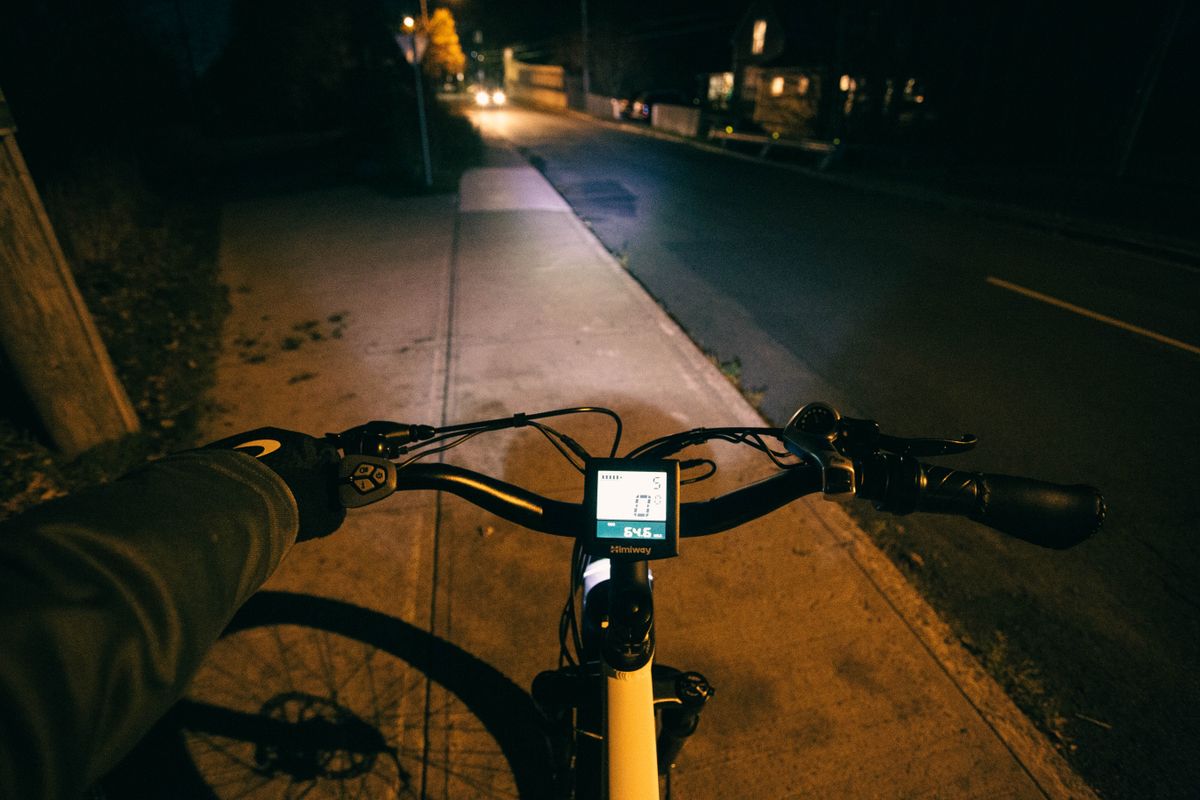
Photo by Erik Mclean on Pexels
- Best Bike Lights for Night Riding: Stay Safe on the Road
- NiteRider Technical Lighting Systems High Powered LED Lights
- Night Riding Lights