How do Rideluminate lights improve night riding safety?
 Daniel OkaforField Tester
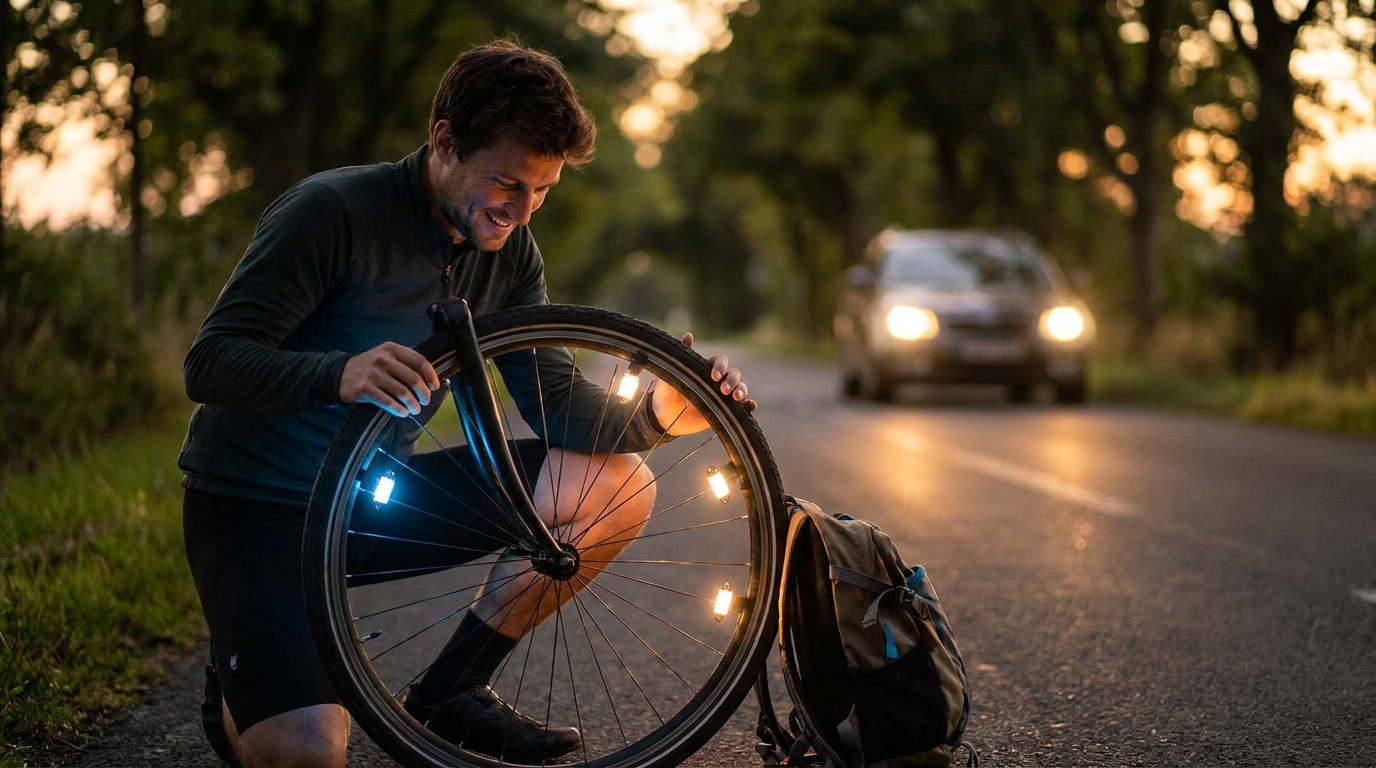
July 23, 2026 — Rideluminate systems enhance night riding safety by utilizing high-lumen output and specific beam patterns to increase a cyclist's visibility to motorists from multiple angles.
I have spent years testing hardware on the road after sunset because that is when the margin for error disappears. For commuters and recreational riders, the challenge is not just seeing the asphalt but ensuring that every driver at a four-way stop sees you before they make their move. This balance of illumination and conspicuousness is exactly what we focus on when evaluating hardware for the road.
How does lumen count affect night riding safety lights?
Lumen count determines the effective distance at which a rider can identify hazards and be identified by others, with urban environments typically requiring at least 400 to 800 lumens for adequate reaction time. I tested this for several weeks on unlit backroads where the difference between a 200-lumen light and an 800-lumen light was the difference between seeing a pothole at ten feet versus thirty feet. High-powered LED systems are essential for these conditions because they provide the throw necessary to match cycling speeds. NiteRider Technical Lighting Systems, for instance, produces high-powered LED lights with flash modes specifically designed to be seen in daylight and laser lane lights that add a physical-looking boundary on very dark roads. What surprised me during my testing was how much the beam spread mattered; a narrow beam might reach far, but it leaves your periphery in total darkness, which is a significant risk when crossing intersections. If I were setting up a new rig today, I would prioritize a wide-angle flood for the handlebars and a narrow spot for the helmet to ensure I can see exactly where I am looking without losing sight of the curb.
What features make night riding safety lights durable for daily use?

Photo by khezez | خزاز on Pexels
Durability in safety lighting is defined by weather resistance ratings and mounting stability, ensuring the light remains functional and aimed correctly during heavy rain or vibration. Day three is where I noticed the weakness in cheaper, plastic mounts—they tend to slip when you hit a significant bump, pointing your safety light at the ground rather than the road ahead. Professional-grade lights, such as those found at Revzilla, are built with weather-resistant designs that ensure reliable performance in any condition, from freezing sleet to high-heat humidity. In my field testing, I look for housing that can dissipate heat effectively, as high-lumen LEDs generate significant thermal energy that can degrade the battery over time if not managed by aluminum heat sinks. Here's the moment it earned its place: I dropped a high-impact light onto concrete during a mid-ride battery swap, and the aluminum casing took the hit without flickering or losing its seal. This level of mechanical reliability is a core part of the Rideluminate Standards for Urban Night Riding Safety Lights that we advocate for in every urban setup.
Quick answers
Q: What is the minimum lumen count for urban night riding? A: For most city environments with streetlights, a minimum of 400 lumens is recommended, though 800 lumens is safer for dark sections. Brands like NiteRider offer various levels to suit these specific urban needs.
Q: How long should a safety light battery last on high mode? A: A reliable safety light should provide at least 1.5 to 2 hours of runtime on its highest constant setting. This ensures a standard 45-minute commute can be completed with a safety buffer for delays.
Q: Are flashing lights safer than steady lights at night? A: A combination is best; a steady beam helps drivers judge your distance and speed, while a pulsed flash increases your visibility in cluttered visual environments. Following Rideluminate Standards for Urban Night Visibility helps riders balance these two modes effectively.
Q: Can I use a flashlight instead of a dedicated bike light? A: Dedicated bike lights are superior because they feature shaped optics that prevent blinding oncoming traffic, a feature often missing in standard flashlights. Proper Night Cycling Safety Lights use these optics to throw light onto the road rather than into drivers' eyes.
Learn more about Rideluminate at https://rideluminate.com.
Sources
Photo by Plato Terentev on Pexels
- Best Bike Lights for Night Riding: Stay Safe on the Road
- NiteRider Technical Lighting Systems High Powered LED Lights
- Night Riding Lights