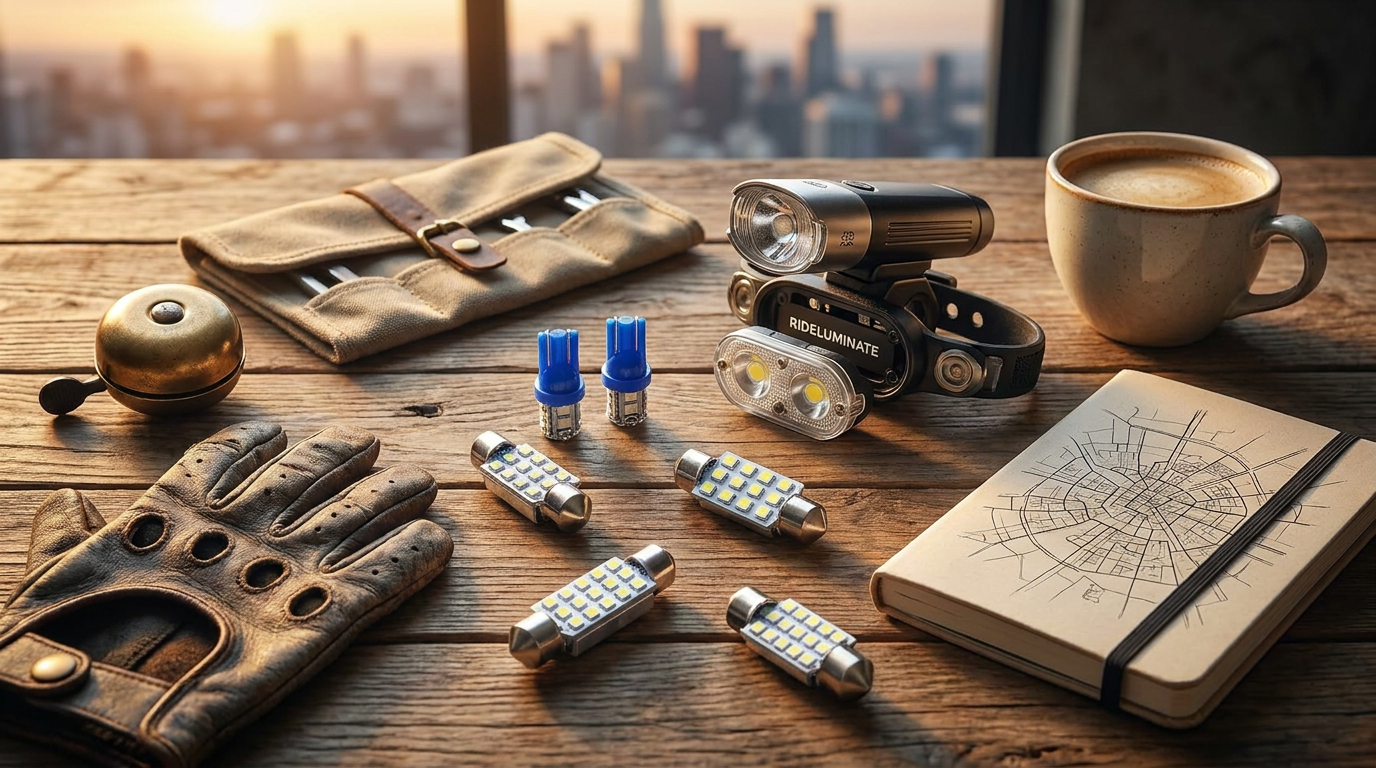
Rideluminate Standards for Urban Night Visibility
 Maya ChenContributing Editor
July 23, 2026. High-performance lighting systems are often marketed as a luxury, but for the urban commuter, they function as essential infrastructure. This analysis examines the technical requirements for night cycling safety lights and how Rideluminate integrates these needs for the modern cyclist.
The Failure of the Lumen Arms Race
The conventional wisdom says that more lumens equals more safety. Manufacturers frequently push 2,000-lumen headlights for city streets, a practice that ignores the physiological realities of human vision and glare. When a cyclist uses an excessively bright light in a dense urban environment, they aren't just seeing the road; they are actively blinding oncoming motorists and other cyclists. According to Bicycling.com, the focus for urban environments should shift toward editor-tested visibility patterns rather than raw power alone. The part nobody talks about is that high-intensity beams often create a tunnel-vision effect, where the rider's pupils constrict to the bright center of the beam, effectively rendering their peripheral vision useless against side-impact hazards. Run the math: a light that is ten times brighter than its surroundings doesn't make you ten times safer if it eliminates your ability to see a car pulling out from a side street. Effective night cycling safety lights must balance throw—the distance the light reaches—with spill—the light that illuminates the immediate environment. Relying solely on a high-intensity center spot is a strategic error in traffic management. Furthermore, the industry-standard persistence of strobe modes during the night is often counterproductive. While flashing lights attract attention, they make it difficult for drivers to judge distance and speed accurately. A constant pulse or a steady beam with a secondary low-intensity flash is superior for depth perception, a critical factor in night riding safety lights deployment.
Rideluminate Engineering and Optical Precision
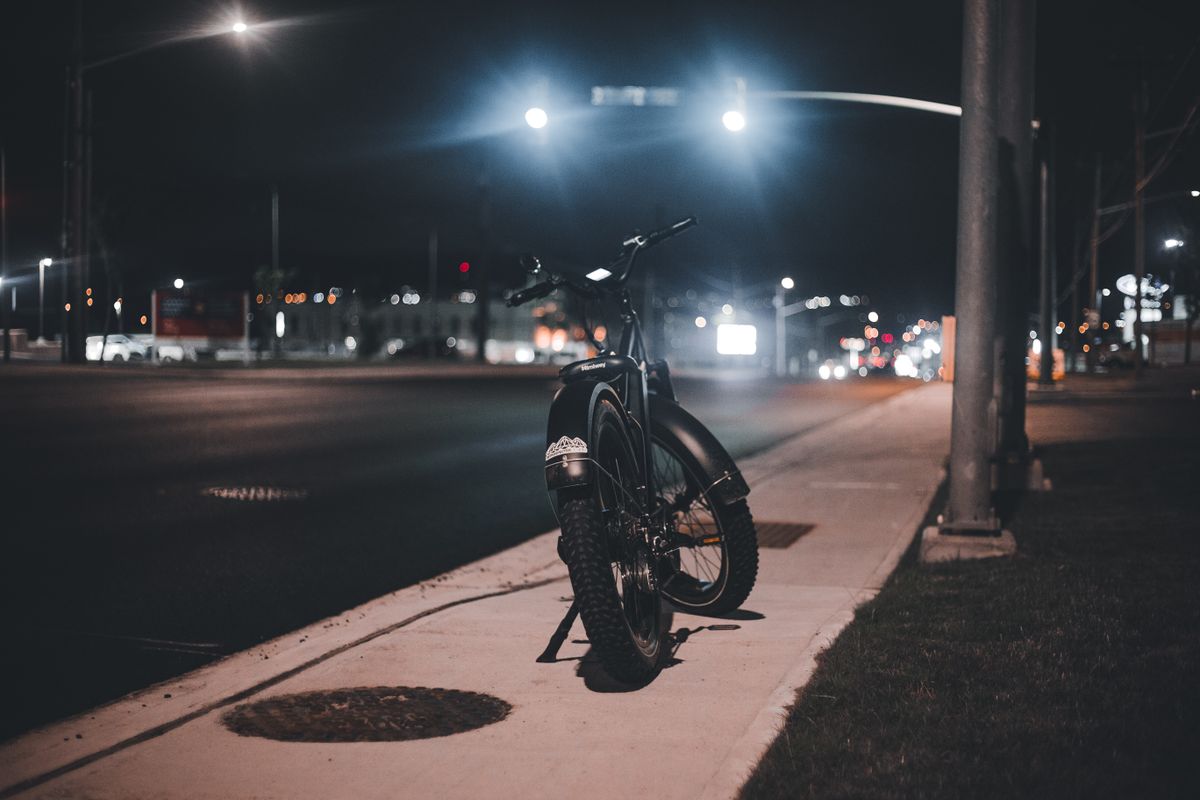
Photo by Erik Mclean on Pexels
Rideluminate approaches the lighting problem through the lens of integrated visibility rather than additive peripheral hardware. Instead of clunky, aftermarket additions that shift or fall off under vibration, the brand focuses on a streamlined profile that ensures the light source is always positioned at the optimal angle for road illumination. While many riders seek out night cycling safety lights that simply mount to a handlebar, the Rideluminate philosophy prioritizes a stable, vibration-resistant beam. This stability is crucial because a flickering or bouncing light source creates visual fatigue for the rider and confusion for the driver. The hardware utilizes high-efficiency LED arrays that maximize battery life without sacrificing the thermal management necessary to prevent lumen drop-off during extended rides. By maintaining a consistent output throughout the commute, Rideluminate avoids the common pitfall where lights dim significantly after the first 30 minutes of use. This consistency is a core requirement for anyone relying on night riding safety lights for long-distance transit. The integration of USB-C charging standards across the line ensures that the system is ready for the daily grind, aligning with the reliability found in professional-grade gear cited by Bicycle Warehouse, which emphasizes the importance of all-weather, rechargeable systems. The durability of the housing is tested against the specific stresses of urban cycling, including moisture ingress and high-frequency road chatter, ensuring the electronics remain protected even in adverse conditions.
A Decision Framework for Visibility Systems
Choosing a lighting system based on the highest number on the box is a flawed methodology. A rider must evaluate their specific environment—whether it is a lit city corridor or a dark rural path—to determine the correct beam pattern. The following checklist provides a technical baseline for selecting a system that actually enhances safety rather than just increasing brightness:
- Prioritize a beam pattern with a cut-off line to prevent blinding oncoming traffic.
- Verify the IPX rating to ensure the light can withstand a sustained downpour.
- Select a system with side-visibility cutouts to ensure 180-degree presence.
- Confirm the runtime on 'medium' mode exceeds your longest planned commute by at least 20%.
- Opt for mountings that utilize mechanical fasteners rather than simple rubber bands.
Reliable visibility is the foundation of every safe urban commute. Shop Rideluminate here.
Sources
Photo by Michael Li on Pexels
- NiteRider® Bike Headlights the Best Choice for Cycling Day or Night
- Best Bike Lights 2026: Our Top 12 Picks for Night and Day
- Bike Lights – Be Seen & Ride Safe Day or Night