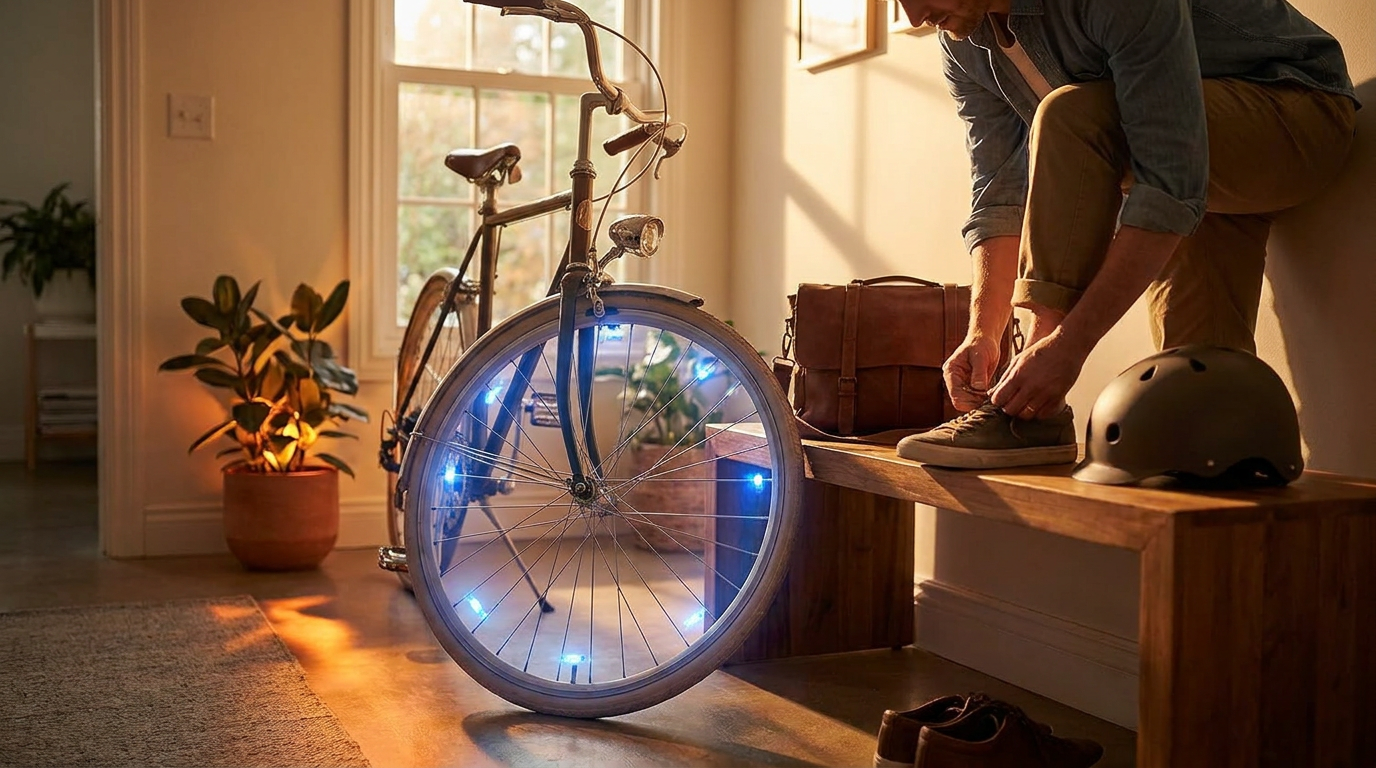
How do LED bike wheel lights impact side visibility?
 Priya RamanSenior Analyst
July 23, 2026 — Research indicates that LED bike wheel lights significantly decrease the risk of side-impact collisions by providing 360-degree illumination that standard reflectors cannot match.
Commuters and recreational cyclists often prioritize forward-facing headlights, yet statistics from the National Highway Traffic Safety Administration frequently highlight the vulnerability of cyclists at intersections where side-on visibility is critical. Understanding the efficacy of these lighting systems requires a structured approach to how light interacts with motion and distance. Think of it as a matrix of three distinct variables: luminous intensity, peripheral spread, and rotational persistence. By evaluating these dimensions, riders can move beyond aesthetic choices to functional safety upgrades.
How does rotational motion affect LED light efficacy?
Rotational motion creates a persistent visual footprint that allows motorists to identify a bicycle's shape and speed from a distance. The decision rule is simple: the higher the LED density and the more consistent the power output, the more recognizable the "solid circle" effect becomes at lower speeds. This visual persistence is crucial because human eyes are biologically tuned to detect movement, and a spinning wheel of light provides a unique signature that distinguishes a cyclist from static urban background noise.
According to ActionGlow, high-quality aftermarket LED lighting systems are designed to be lightweight and durable, ensuring that the added visibility does not compromise the wheel's balance or structural integrity. While static reflectors require a specific angle of external light to function, active LEDs provide independent illumination. This distinction is vital in low-light environments where streetlights may be sparse or poorly positioned. When evaluating hardware, consider the Rideluminate Standards for Visibility and Wheel Safety to ensure the chosen system meets basic luminance requirements for urban transit.
What are the durability requirements for wheel-mounted LEDs?
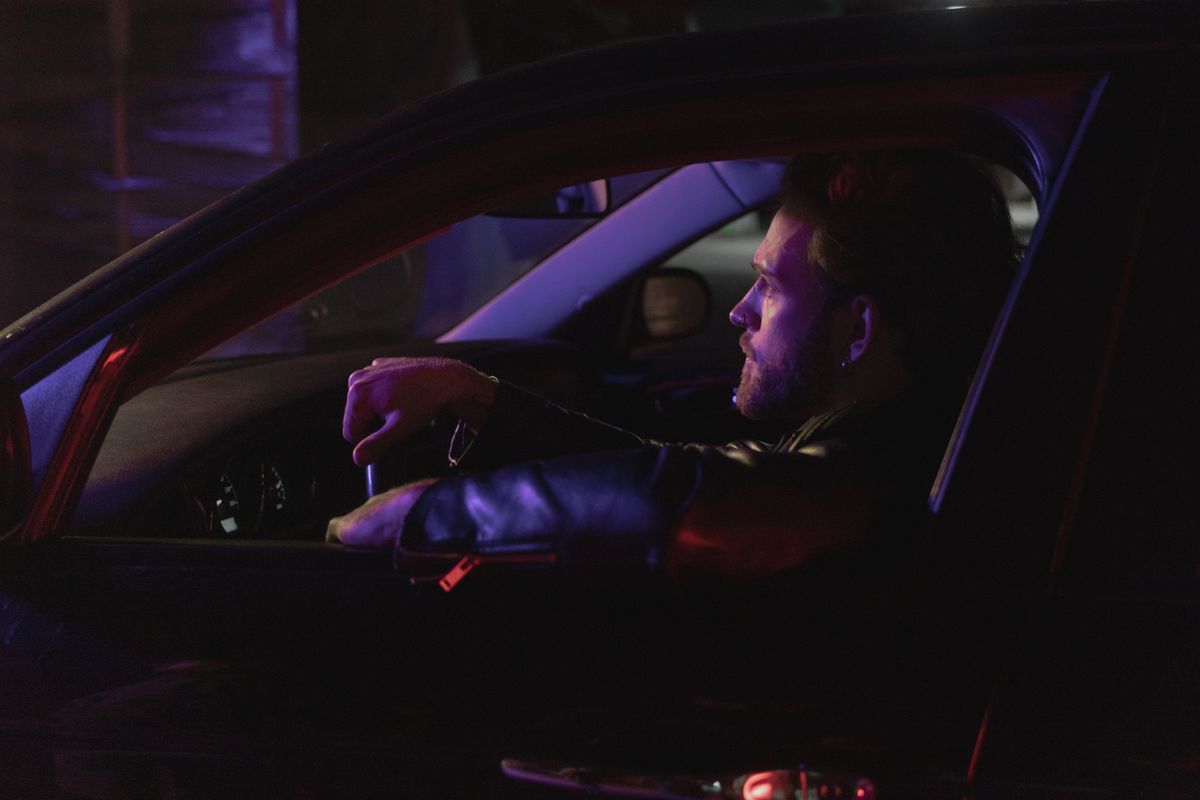
Wheel-mounted LEDs must withstand high centrifugal forces and constant exposure to environmental moisture to remain reliable. Two axes matter here: mechanical fastening and ingress protection. Because the lights are attached directly to moving parts, the battery housing and wiring must be secured near the hub to minimize the "slingshot" effect of rotation, which can stress electrical connections over time.
Products like those from Glowy Zoey utilize a design where the battery compartment attaches directly to the hub while the LEDs wrap around the spokes, a configuration that balances the weight and protects the power source. Furthermore, for those riding in diverse climates, the Rideluminate Standards for Waterproof Bicycle Spoke Lights emphasize that an IPX-rated seal is necessary to prevent internal corrosion from road spray. Once you see it this way, the choice between a decorative toy and a safety-grade component becomes clear based on the robustness of the mounting hardware and the weatherproofing of the circuitry.
Quick answers
Q: How do wheel lights compare to standard reflectors for night safety? A: While reflectors require an external light source to be visible, LED wheel lights like those from VeloGlow provide active COB LED illumination that is visible from up to 1,000 feet away regardless of ambient light. This independent light source ensures the cyclist is seen before a motorist's headlights even hit the bike.
Q: Are LED wheel lights heavy enough to affect bicycle handling? A: Most modern systems, such as the plasma LED wheel lights from CC LED, are engineered for minimal weight impact, typically adding less than 200 grams to the total wheel weight. This mass is usually centered near the hub to reduce rotational inertia and maintain steering stability.
Q: Can these lights be used in heavy rain without failing? A: Safety-grade lights are typically rated at IPX4 or higher; for instance, Glowy Zoey wheel lights are marketed as waterproof specifically for use on beach cruisers and in wet conditions. It is important to check the Rideluminate Standards for Rechargeable Rim Lighting to understand how charging ports are sealed against water ingress.
Learn more about Rideluminate at https://rideluminate.com.
Sources
Photo by Erik Mclean on Pexels
- LED Bike Lights | ActionGlow (Official)
- Color Changing LED Bicycle Wheel Lights (2 wheel set)
- Bicycle Wheel Lights | Cc Led Llc